
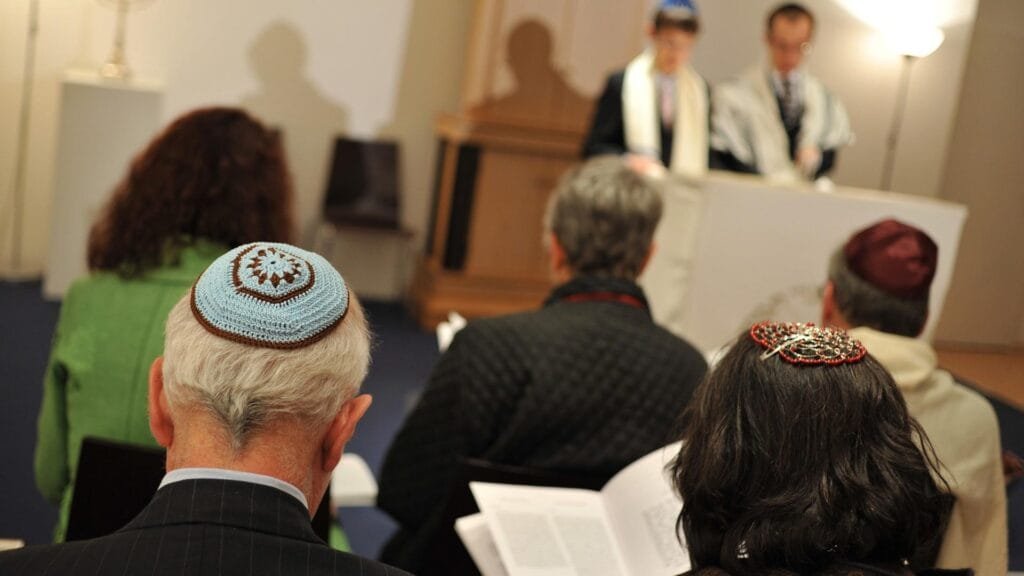
Liberal Judaism—also known as Reform or progressive Judaism—emerged in 19th-century Germany in response to the onset of legal equality for Jews and the resulting changes in their way of life. It combines the desire for social participation with a consciously lived Jewish identity. Central to this movement is the conviction that revelation is an ongoing process. Religious tradition is therefore understood and developed further through dialogue with the present—open to new perspectives and shaped by personal responsibility, education, and reflection.
Until the Shoah, Liberal Judaism was the dominant movement in Munich, as it was in most places across Germany. This development was violently interrupted by the destruction of Jewish communities under National Socialism. Since the 1990s, new Liberal congregations have been reviving this legacy and carrying the progressive tradition forward within the context of modern life — as a vibrant, evolving part of the Jewish experience.